
JUly, 2026
Summer Color
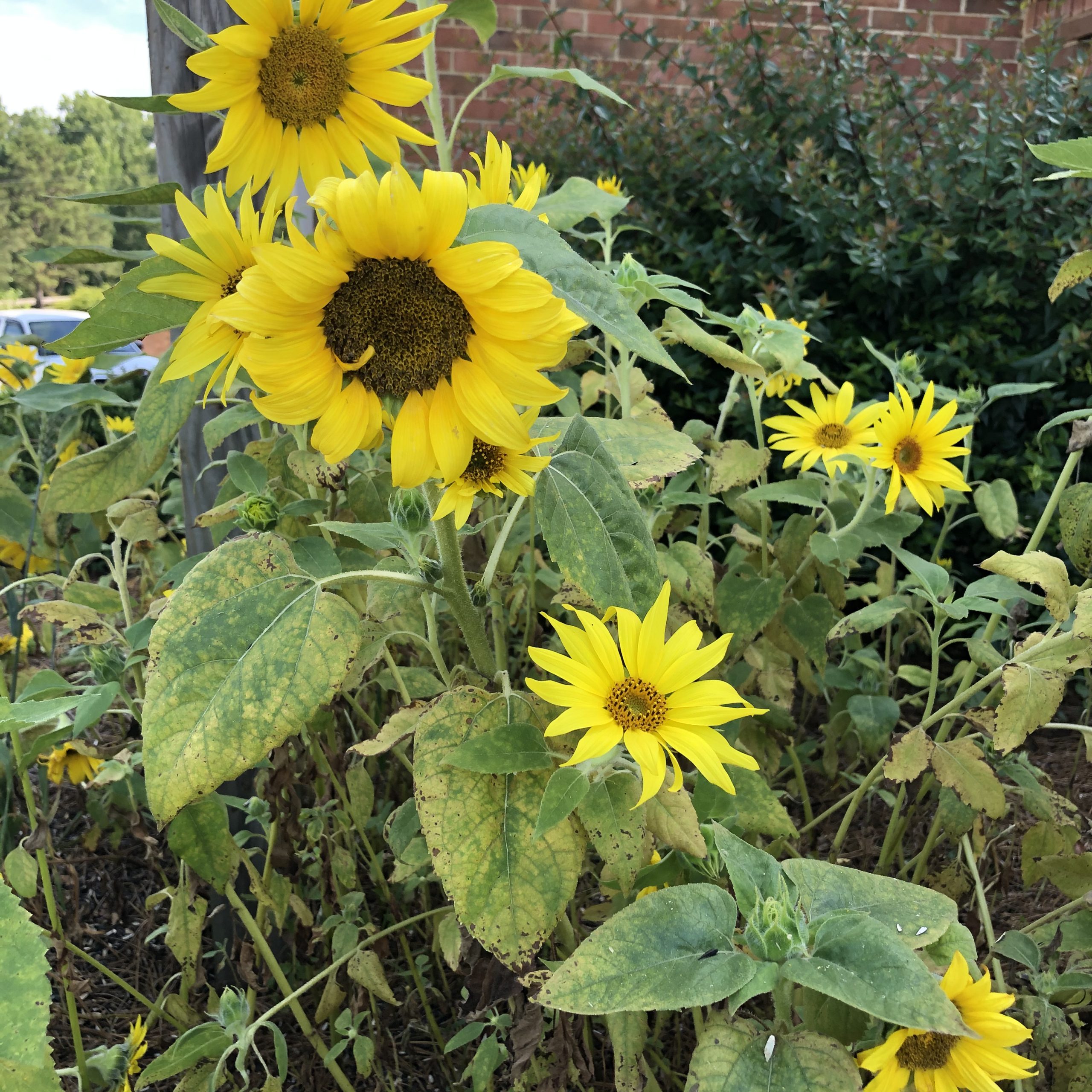
There is still time to plant some summer flowers such as zinnias, sunflowers and cosmos. The butterflies love zinnias and the birds can feast on the seeds of the sunflowers.
We have seed available by the teaspoon or tablespoon depending on the size of the seed. Remember when planting seeds to make sure that the seed makes good contact with the soil and water them regularly.
Fall Vegetables
It is also time to give some thought to the fall vegetable garden. July would be a good time to start seedlings for cabbage, broccoli, and other cool season vegetables so that they will be ready to set out in the garden in August. Order your multiplying onions now. They should be planted in August too. Often it is still too hot to plant lettuce. Get your seed now but wait to plant lettuce until about the middle of September.
It is hard to find tomato plants this late in the season. If you wish to have a crop of fall tomatoes you can just take cuttings of your favorites and place them in damp potting mix in light shade. Keep them moist for a couple of weeks and they will be rooted in. Then plant out in the garden. We have a good selection of pepper plants right now. You can get another crop of green beans too.
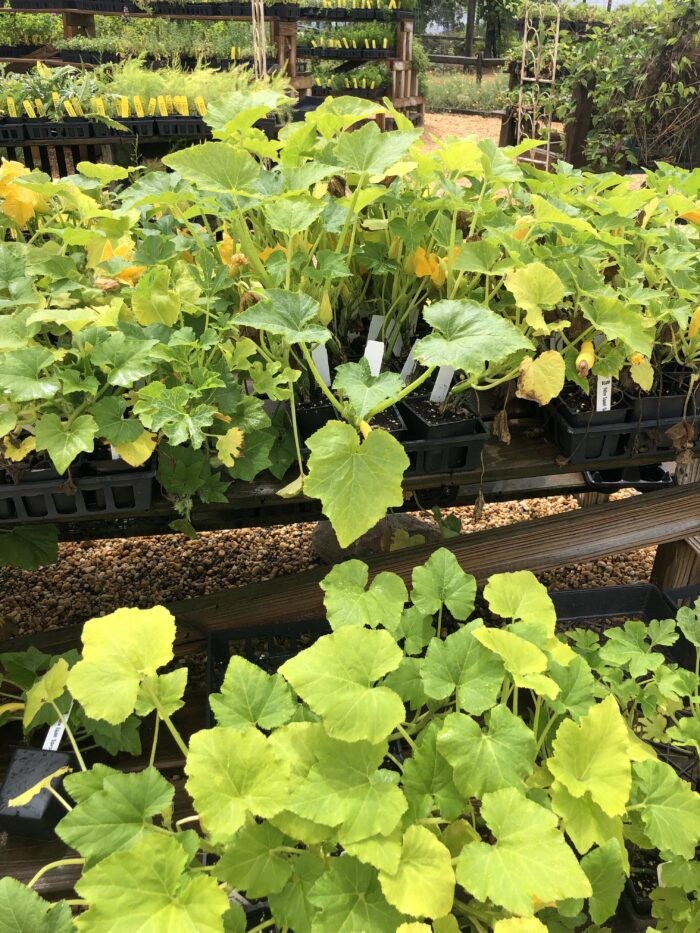
If you are planning to grow pumpkins for Halloween or any of the winter squash you need to plant them by at least the middle of July.
Pruning
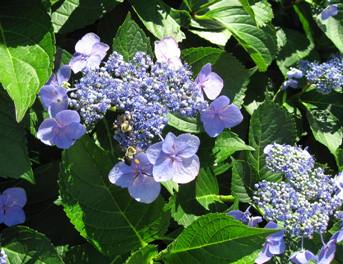
Oakleaf, mophead,and lacecap hydrangeas should be pruned by August 1 or you could be removing next years flowers.
Remove any dead branches and the spent flowers and give them a little fertilizer.
If your Blue hydrangeas have turned pink there is nothing you can do about it this year. However you can use a soil acidifier or aluminum sulfate to make them blue again. If you wish to keep them pink just add a little pelletized lime around your plant.
Muscadines
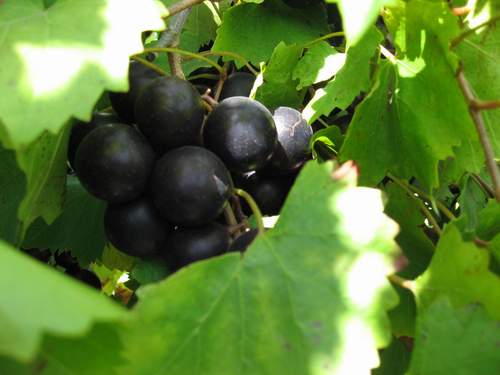
Our crews are out combing the muscadines. This term means separating the shoots for ease of harvest, otherwise the tendrils wrap around the vines and make it difficult to pick the fruit. Cut off excess growth. Leave about 30″ to 36″ in length. Cutting off the excess vines puts all the energy of the plant into increasing the size of the fruit. Keep watering well during dry periods.
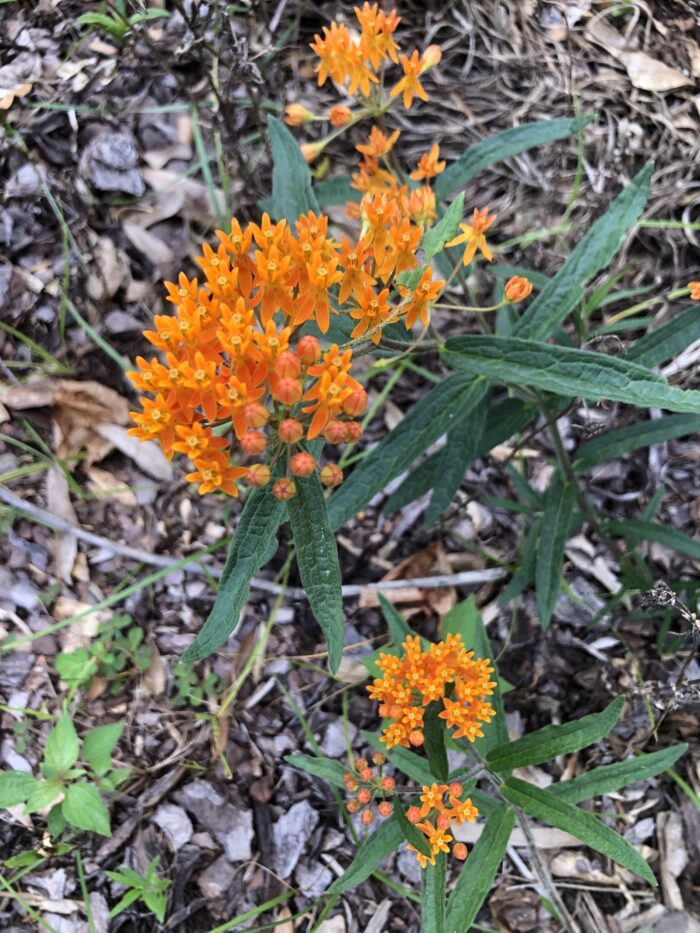
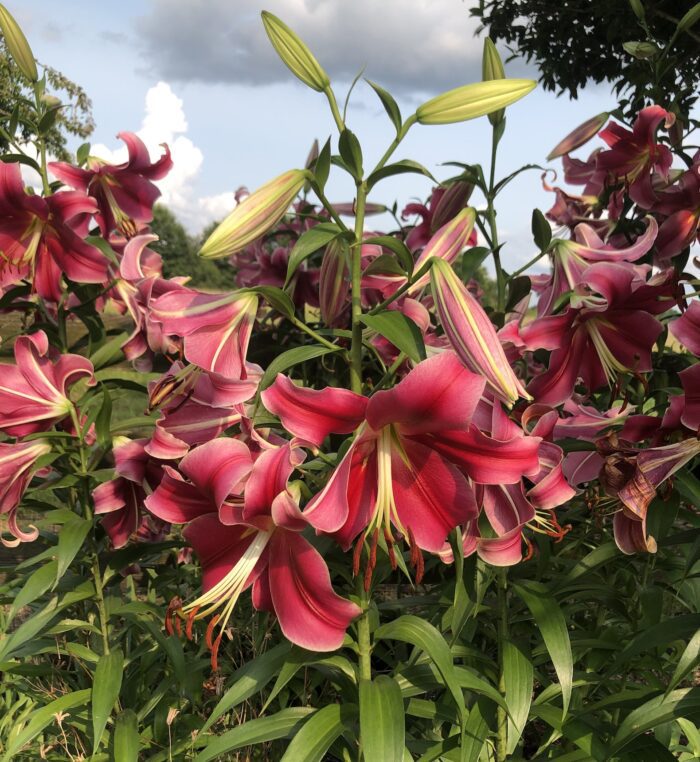
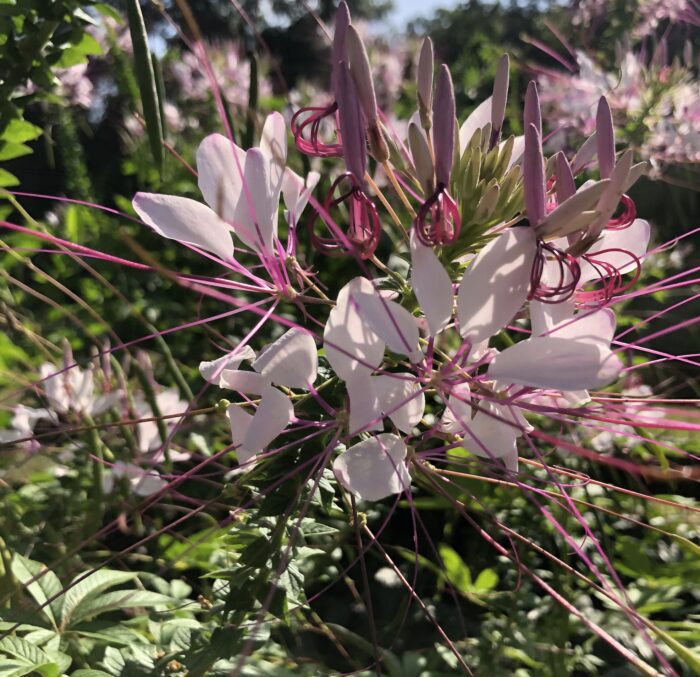
Asclepias Tuberosa, the orange flower on the left, is a wonderful addition for summer garden blooming all summer. The plant is native to eastern and southern North America and is easily grown in well drained soil in full sun. It is one of the host plants for the Monarch butterfly and is attractive to Hummingbirds too. Pollinated flowers produce prominent, erect, narrow, spindle-shaped pods (follicles) covered in short hairs. These 3-6 inch long, grayish-green pods split open when mature, revealing rows of hundreds of flattened, brown seeds. If left they will self sow in the garden.
The flowers in the middle are Oreinpet lilies. They are a cross between Oriental and Trumpet lilies. The blooms are very large with a delightful fragrance. They will grow 6 to 8 ft tall, thriving in full sun and well drained soil. Their bloom time is mid to late summer.
Last but not least is Cleome. This reseeding annual is fabulous for back of the border. It comes in white, pink and dark pink. It can be used in mass plantings, in perennial borders and mixed beds. It grows best in full sun in moist well drained soil. Cleome has few insects or disease problems and is generally not favored by deer or rabbits.
Starting a Blueberry Patch
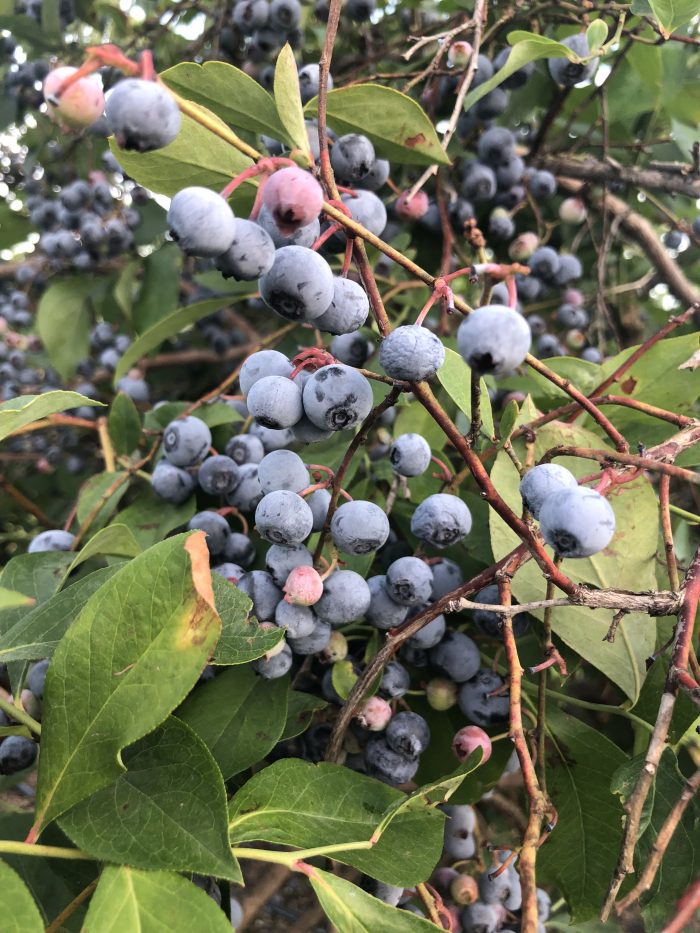
Are you planning to start a blueberry patch? If you are, you will need at least two different varieties of blueberries for cross pollination. We usually recommend three different varieties. If you should lose one plant you will still have one that will cross pollinate with your other plant.
You may plant blueberries this time of year as long as you can give them at least weekly watering. The most ideal planting time is late fall and winter which allows for the greatest plant development during the first growing season. Blueberries are very sensitive to the use of the nitrate form of nitrogen. Applying fertilizers such as sodium nitrate, calcium nitrate or ammonium nitrate can result in severe damage or death of the plants. Always use ammonium forms of nitrogen such as urea, ammonium sulfate or ammonium phosphate and avoid any fertilizers that contain more than 10% nitrogen in nitrate form. A fertilizer such as Grower’s Special (12-6-6) that contain slow release nitrogen and micro-nutrients is recommended. The only pruning needed initially is to reduce plant height at planting time by 1/4 to 1/3 usually 7 to 14 inches. Remove broken roots and separate roots at 3 to 4 areas around root ball where they may be growing in a circular direction. Blueberry plants do not require annual pruning for the first several years except to remove low branches lower than 15 inches from the soil and diseased or broken branches.
Blackberries
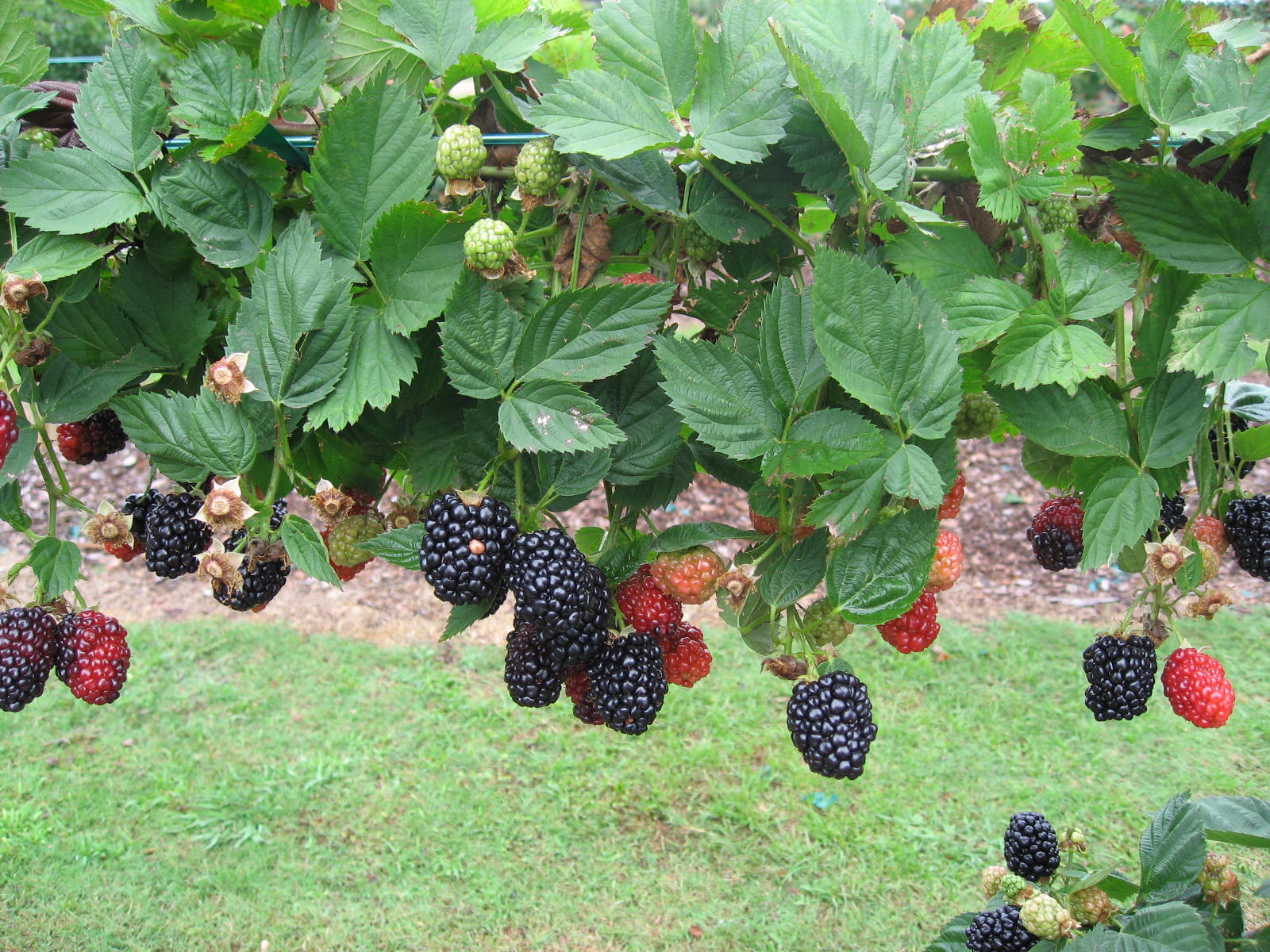
The blackberry harvest is finished and we will be cutting back our old canes and preparing the new ones for next year’s crop. We are planning to start pruning around July 10. Two vigorous primocanes should be utilized to establish a fruiting system for production next year. Allow one primocane to grow to 6 to 8 inches above the bottom wire (which should be 36 inches above the soil level), and cut such that 1 to 2 inches of cane is above the wire. As branching resumes on the new primo cane, select two branches each of which will grow along the wire in opposite directions and tie to the wire. All other branches should be removed. This same type of training procedure should be used when the second primocane grows above the top wire which should be 60 inches above the soil level.
All excess shoots should be removed periodically to permit the energy of the plant to develop the four branches along the trellis wires. All other primocanes which rise at soil level should be removed. Once the old floricanes are removed in mid July, an application of 1/2 cup of calcium nitrate or 1/4 cup of ammonium nitrate is applied. We sometimes duplicate the application in late August.
Use of pine bark mulch greatly conserves moisture. This year we will spray the blackberries twice with copper. Once in Late July and again in late August or early September.
Weed control is important to reduce competition around plants especially when they are young. Hoeing or hand pulling is fine. If herbicides are applied, care should be used to avoid damage. Don’t apply glyophosate herbicide (such as Roundup) around young plants less than one year old or later than July. Still Confused? Check out our Blackberry Pruning Video.
Apples, Pears & Figs
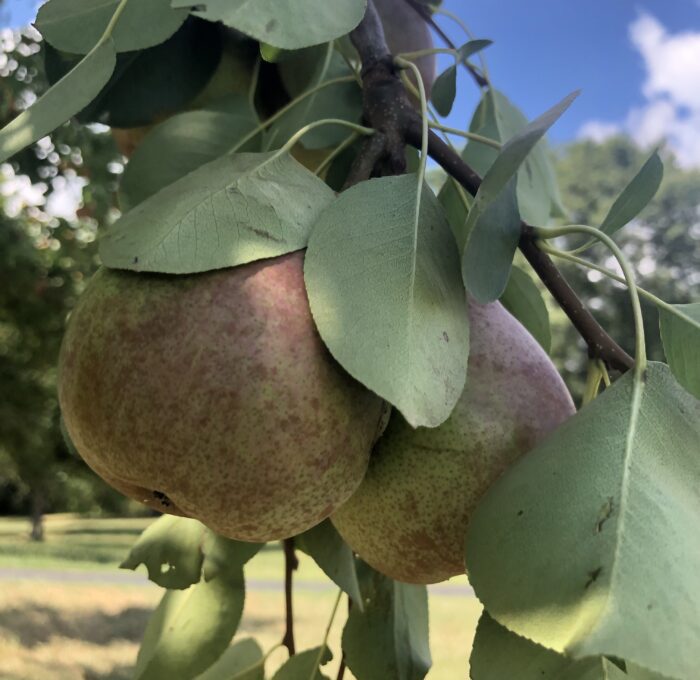
Are you having a problem with fire blight on your apples and pears? The only thing you can do now is cut off the infected branch. Remember to dip your pruners in a 10% clorox solution before each cut. Burn the branches you cut off don’t be tempted to put them in the compost pile. Finish thinning apples and pears at this time. It helps to increase the size of the fruit and the excess fruit can cause your branches to break. Keep your figs watered during dry spells. A fig tree will drop its leaves and fruit to protect itself during drought situations.
Hummingbird Feeders
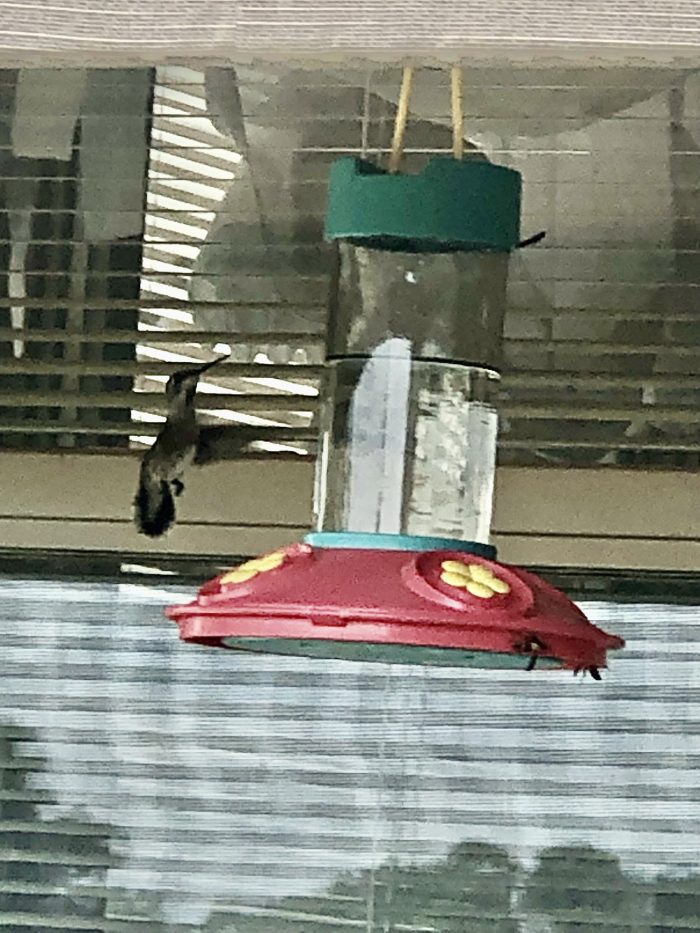
Make sure that you keep your hummingbird feeders clean and the food fresh. The sugar syrup will ferment in the heat.
Scrub with a brush or add 2 tablespoons of uncooked rice to the feeder and shake vigorously. Rinse well. Do not use soap in the feeders. Once a month soak feeders in a solution of 1/4 cup bleach per gallon of water for an hour. Rinse well before refilling. To clean a hummingbird feeder with vinegar, mix 1 part white vinegar with 2 to 3 parts warm water. Completely disassemble the feeder, soak all oarts for 10 to 30 minutes, and scrub thoroughly using a bottle brush and pope cleaner for the ports. Rinse completely in hot water.
Keep the water fresh in your birdbaths too the birds will appreciate it.
Hummingbird Food Recipe
Mix 1 part sugar to 4 parts water. Boil to kill the bacteria and mold. Cool and fill your feeder.
Extra food may be stored in the refrigerator. There is no need to add the red dye.
Category: Uncategorized